
The Athletic Blueprint: Introducing The Beastly Specimen Protocol
How To Build Athletic Mobility & Muscle In Less Than 2 Hours A Week(While Boosting Your Metabolism & Shedding Fat)

Imagine training your ass off for 6+ hours a week in the last 5+ years.
You got results? Yes.
Did it cost you a shitton of time? Also yes.
It's exactly what I did. Relentlessly.
Here is the problem:
We pay with the one thing we don't have plenty of = time.
Aspiring to train 4-8+ hours a week to unlock handstand, muscle-ups, and splits might sound like a cool dream, but in reality, it often feels more like a burden than an asset.
It's a hard truth I faced in my first 12 weeks of being a dad. I couldn't keep up anymore with 1-1/2h sessions to improve skills, work on mobility, and/or maintain lean muscle tissue while running a full-time business + being a present parent.
'If even I have a hard time pumping out this amount of volume(who builds his life around movement & training), how the heck should a 9-5'er be doing this?'
Conclusion: It's simply unsustainable.
So I adjusted.
I scaled back.
First from 75 → 60 minutes.
Then from 60 → 45 minutes.
Then from 45 → 30 minutes.
And to my surprise…Every time I reduced the time spent + limited my practices, my results got better.
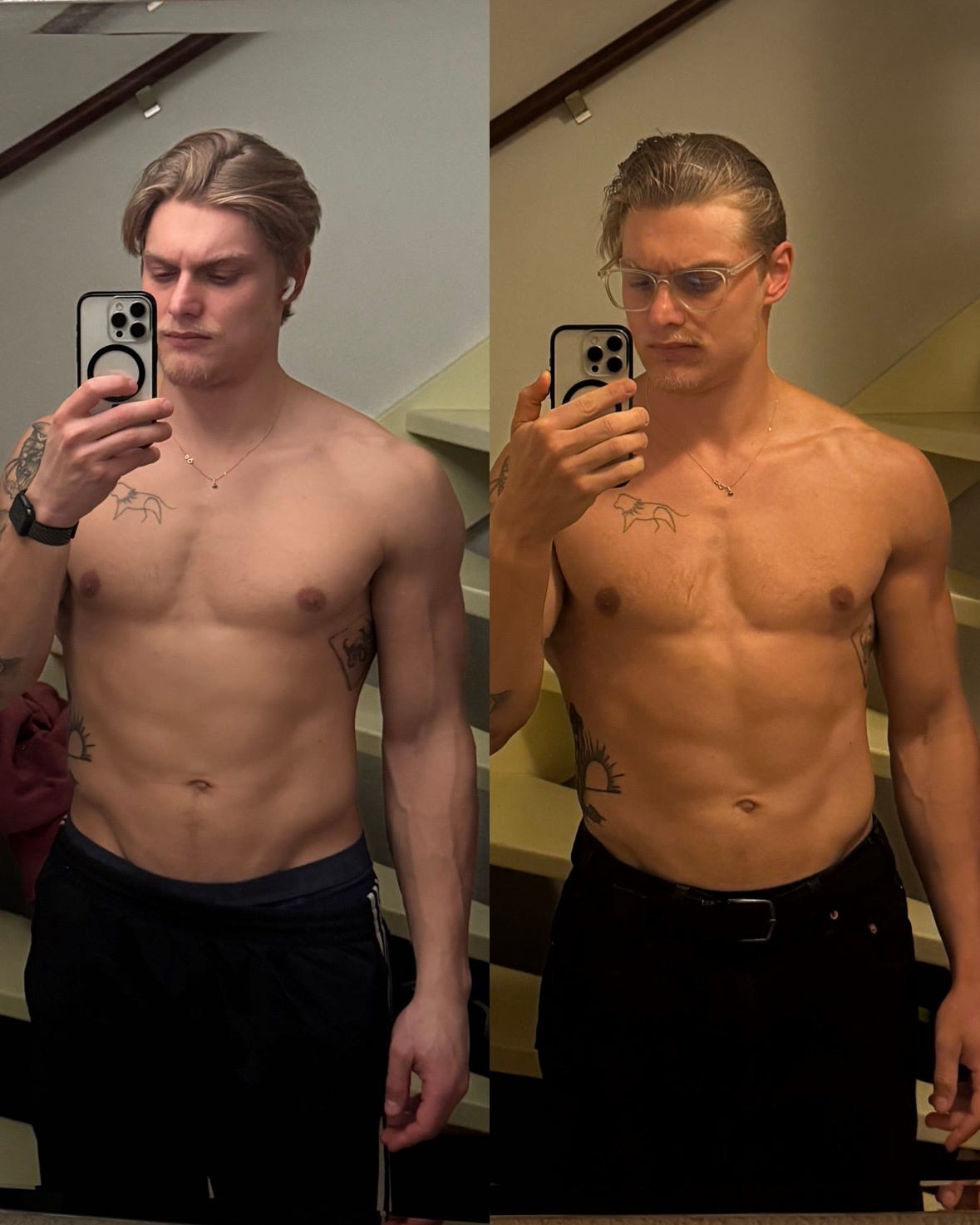
Left is before Dad-life, right is 12 weeks into Dad-life.
I became hyper-efficient. Cutting away all the fluff, did very limited prep, focusing on the basics, and focused on answering only one question during my sessions:
DIISLT
'Did I Improve Since Last Time'
Less volume-oriented.
More intensity-oriented.
Everything skyrocketed from this shift.
More motivation…
More energy…
Better recovery…
Less fat…
Denser tissues…
Higher training output…
The list goes on.
If the results were so immaculate, why does the fitness industry chase volume & time-spent-per-training like a dog chasing cars?
The ‘More’ Volume Nightmare
The truth of the matter is that the body doesn't differentiate between reps, sets, sessions, or whether you use bands or weights.
It cares about keeping you in a state of homeostasis.
Hómoios → similar
Stásis → standing still, stability
Homeostasis → remaining the same
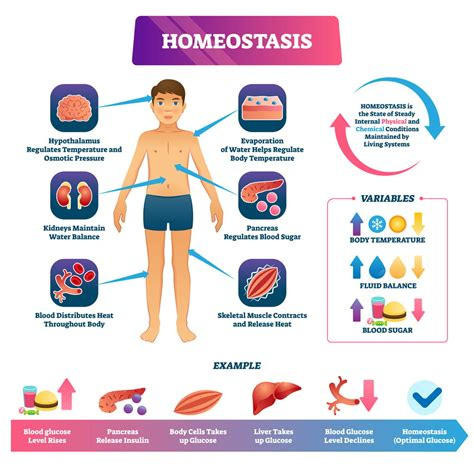
We can offset our state of balance by catabolic activities(breaking down of an organism) or anabolic activities(building of an organism).
Training is a catabolic activity that breaks down the organism & requires energy, but activates a series of anabolic activities that restore, repair, and grow the organism.
In order to facilitate growth(anabolic), we need to provide the body with a great stimulus(catabolic).
Basically → Push our body as close to our maximum threshold as possible.
Whether it is to:
Increase muscle size → classic hypertrophy
Increase strength
Increase connective tissue
Increase motor control → skill acquisition
How you get there varies, but the main concept stays the same:
No stimulus = no change.
The most common path people take is the volume-route.
8-12 reps.
3-5 sets.
3-4 sessions per week.
Common knowledge, right?!
Here is one of the main issues I have with this approach:
It costs a shitton of time.
And when you’re a busy-driven individual, time is the #1 thing you don’t have a lot of.
Plus, how much juice do you actually get from the regular 60-minute sessions?
You warm up for 10-15 minutes(which for most already feels like a chore).
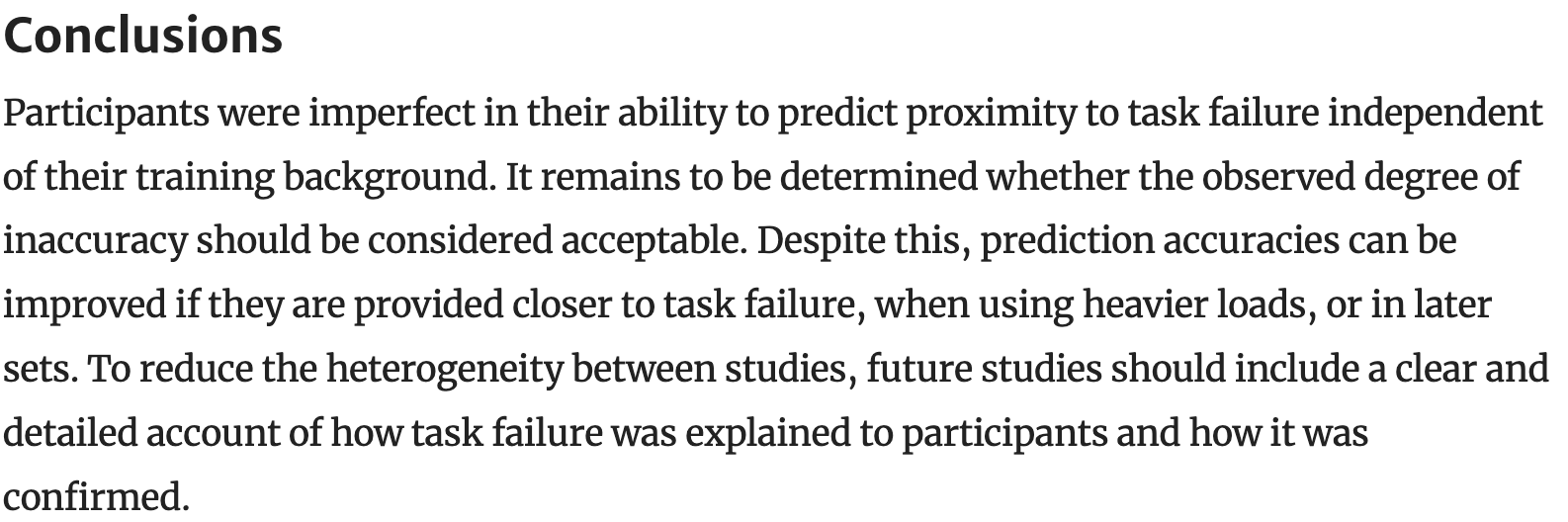
Then we have 30 minutes of supposed true 'I'm-pushing-the-boundries' work, but keep in mind that we humans tend to overestimate how hard we train.

Finally, we got ourselves a little cool-down.
So let’s do some ballpark calculations here:
3-4× 45/60-minute sessions per week
50% or so time spent = 'Did I Improve Since Last Time' work
Time of travel ≈ 30-90 minutes?
Then we got what… 6-7 hours pw of trying to train and 1,5-2 hours of actual training?
What does that do for your motivation long-term?
Well, for me, it completely nuked it as a recent turned dad.
Then the next question becomes quite simple:
Can we get the same(or maybe even better results) without just a fraction of the time?
The Secret Sauce Of Short & Intense Training
We know that the stimulus determines the body's need for adaptation.
But funny enough, it prefers not to be adapted.
Only when it absolutely needs to.
Which is why short & intense bouts of intense training can be extremely effective.
When the stimulus is high:
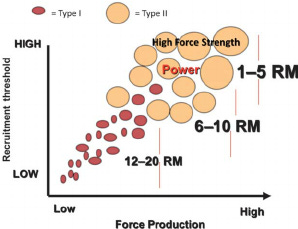
We need to recruit more muscle fibers per unit(type 1 & 2) compared to a low stimulus(type 1)
We can potentially activate all metabolic pathways(ATP/anaerobic/aerobic) compared to only a couple of pathways with a lower stimulus
We’re forced to be alert & present, leaving us more engaged to change our physiology
But it doesn't stop there…
Which scenario will make you feel more inclined to go all-in?
A 10-minute session
A 60-minute session
For me, undoubtedly it's A. If I only have 10 minutes to train, I want to make sure I squeeze every little molecule out of my session.
Almost like I'm in a do-or-die state.
No prep, no scrolling in between sets, no fluff.
Action-only.
Maximum efficiency, maximum intensity, maximum results.
The Beastly Specimen Protocol
After becoming a dad earlier this year, I adjusted.
I switched from high-volume training to high-intensity training. After months of personal experimentation(and testing with my students), this is my most up-to-date protocol. It is an accumulation of 13 years of being a fitness & movement fanatic.
It gives you:
All the strength & muscle you need
Rock-solid connective tissue that lasts for decades
Usable flexibility so you don’t have to fear getting injured
Elite physical skill
A spine that feels fluid, pain-free and explosive
Here is the down-low:
20-40 minute sessions, 3-4 days a week
You always combine two or three BSP Pillars(see below)
Train through full range of motion
Focus on improving 1% per session
More time on rest, recovery, and time with the fam
These are the Non-Negotiables. Let’s look @ how this works in practice:
Becoming A Beast: A Typical Weekly Routine
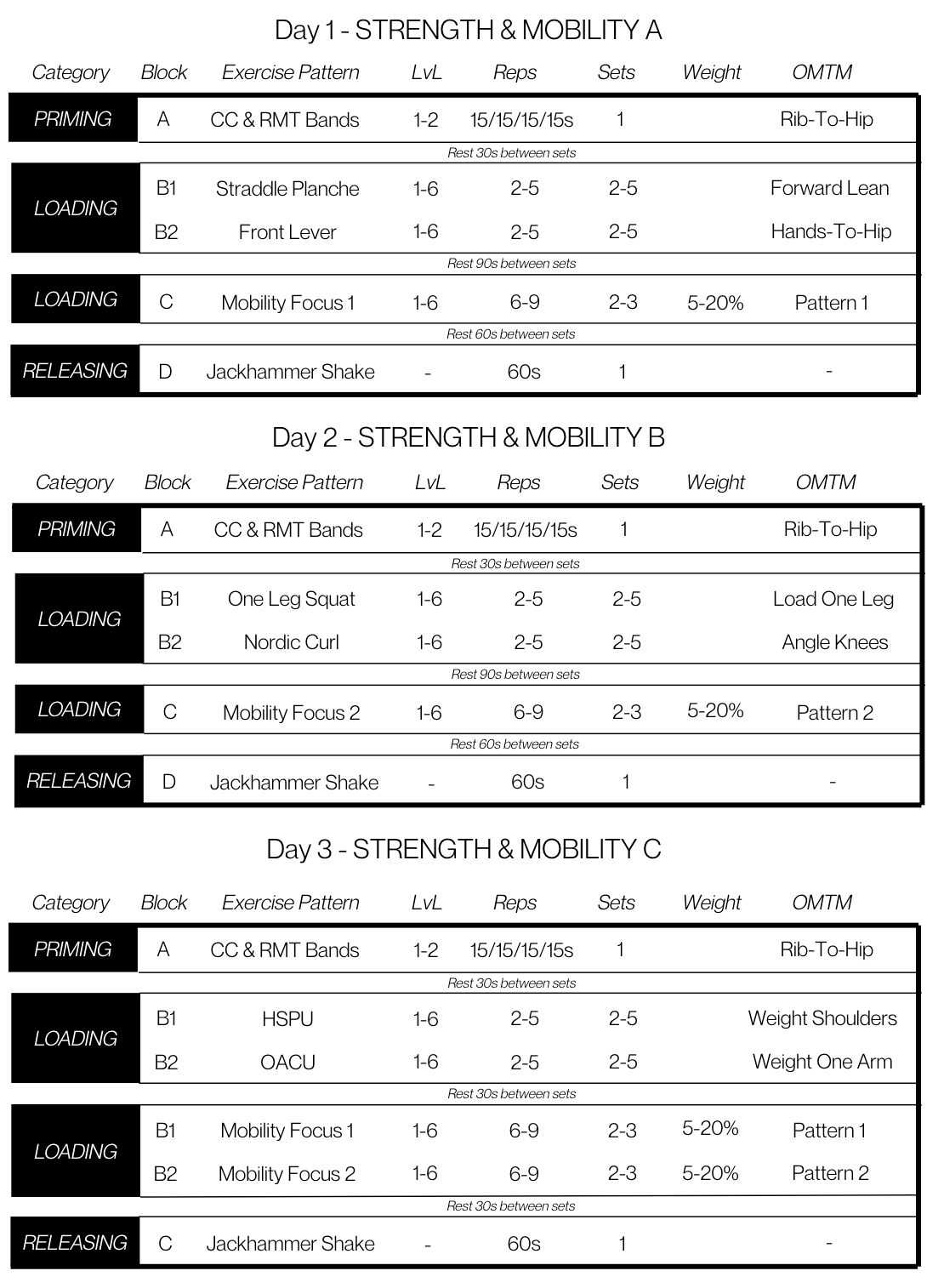
As you can see, a block is fairly straightforward.
You ALWAYS start with spinal work.
Then introduce either strength-related exercises and/or mobility exercises.
You go on, train @ max intensity, and then you’re done.
Short and sweet.
In and out.
Rinse and repeat.
Just like apex predators do.
When they hunt to go all-in, and the rest of the time they rest & recover.
You follow the plan above for 3 weeks, and the 4th week acts as a deload.
This gives the nervous system a reset so you can enter a new cycle again fresh & full of grit.
In that week you'll do:
40% of normal effort
Measure your 1RM or retest assessment to monitor progress
The Spinal Engine
The spine isn't just an accessory. It's what initiates how you move. Your internal engine.
Want physical capital? Start with the spine.
How? The Coiling Core is a good place to start.
It re-installs your capacity to strengthen the end range of the spinal lateral bend(side-to-side bent) in relation to the hips.
Extremely important for your locomotive capacities.
It starts by performing the 4 fundamental Coiling Core positions as a way of priming the body.
Frontside External
Frontside Internal
Backside External
Backside Internal


15s each position, 1-2 sets, maximum intent.
Check full explanations & cues in this article:

Next is building next-level strength.
Apex Strength
We're not here to just pack on 'dumb' size. We're here to develop muscles that can exert ridiculous amounts of force in a functional way.
Strength that is built through integration, not isolation.


Machines don't teach you that.
How you use your own bodyweight in relation to gravity does.
That starts by embedding the basics:
Upper body horizontal pushing & pulling
Upper body vertical pushing & pulling
Legs posterior & anterior
6 core patterns which you can divide over 3 days. Easiest progression on top, hardest progression on the bottom.
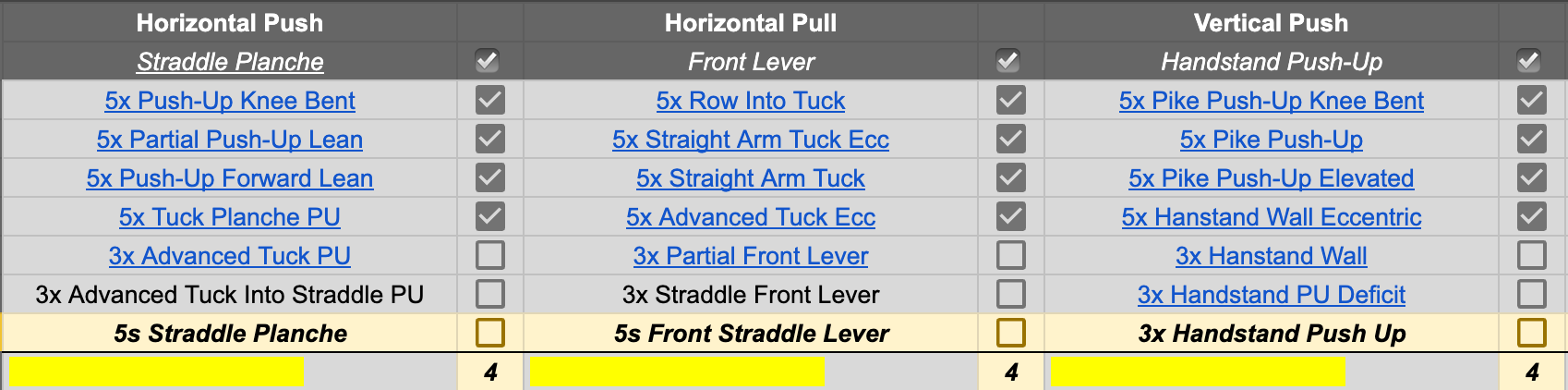
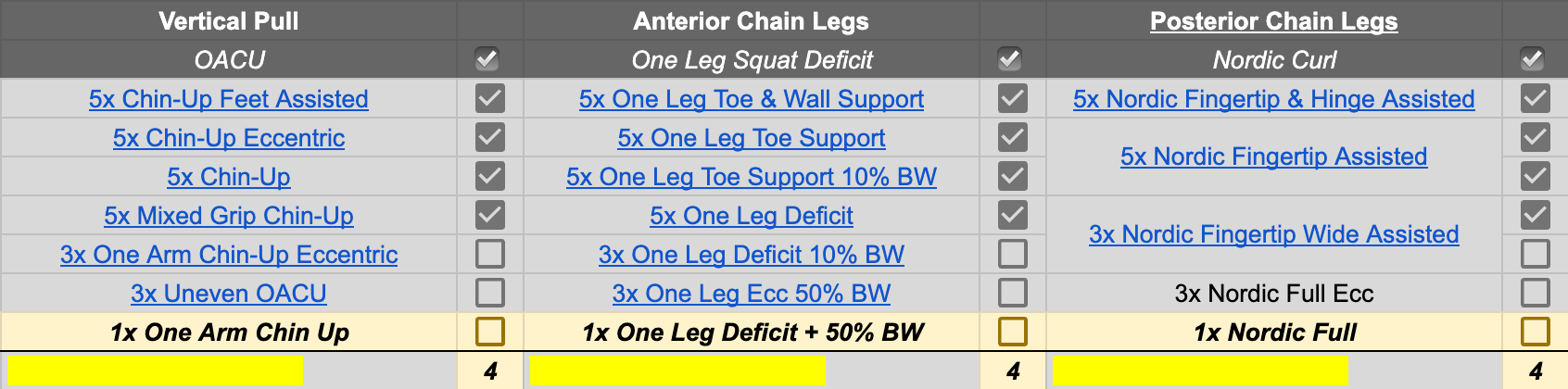
Supersets with agonist-antagonist are the best choice imo.
Each has a starting point and can easily be modified based on your current level.
1 pattern per week, 2-5 reps for 2-5 sets.
Check out this article to see more about the exercises & progressions.

Next is addressing your body's armor.
Bulletproof Mobility
You're only as strong as your weakest link. Bulletproofing your connective tissue @ end range in various ranges of motion is how you stay an elite specimen with freedom of movement.
But opting for 20-30-50 reps per joint with some resistance bands is just a time-ineffective, and outdated approach imo.
We want to use LOAD.
Load acts as an educator to help us:
Map our end of motion → building proprioceptive awareness
Strengthen the tissue at max range → active range of motion
How?
Prioritizing shapes > joints.
Instead of trying to improve 2.231° of a specific joint angle, we want to address specific restrictions when to body is positioned as one unit.
We’re dynamic creatures, not static statues. So it would be disrespectful to nature’s design to assess ourselves in a limited fashion.
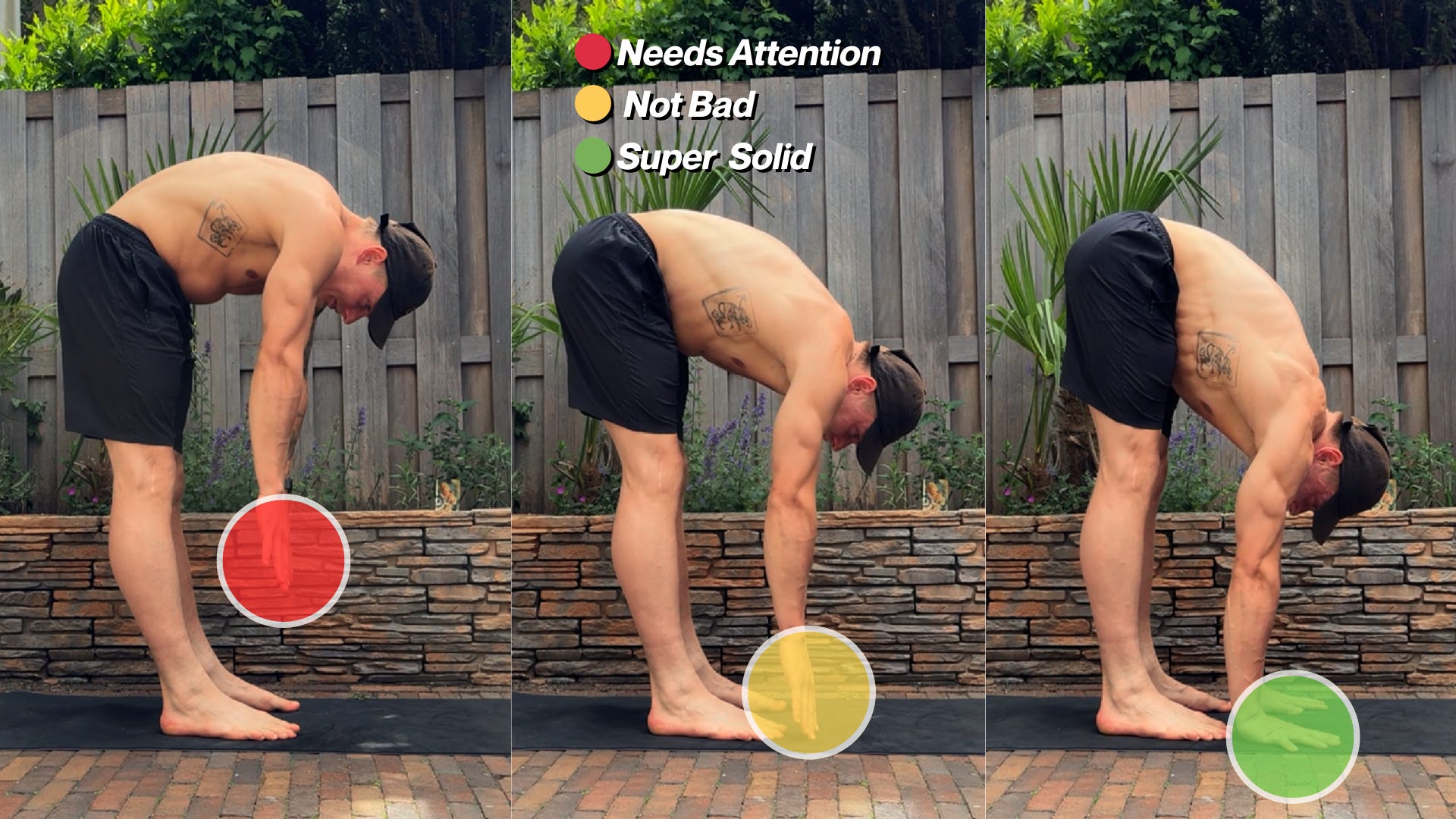
The 6 shapes to scan :
Hinge
Deep Squat
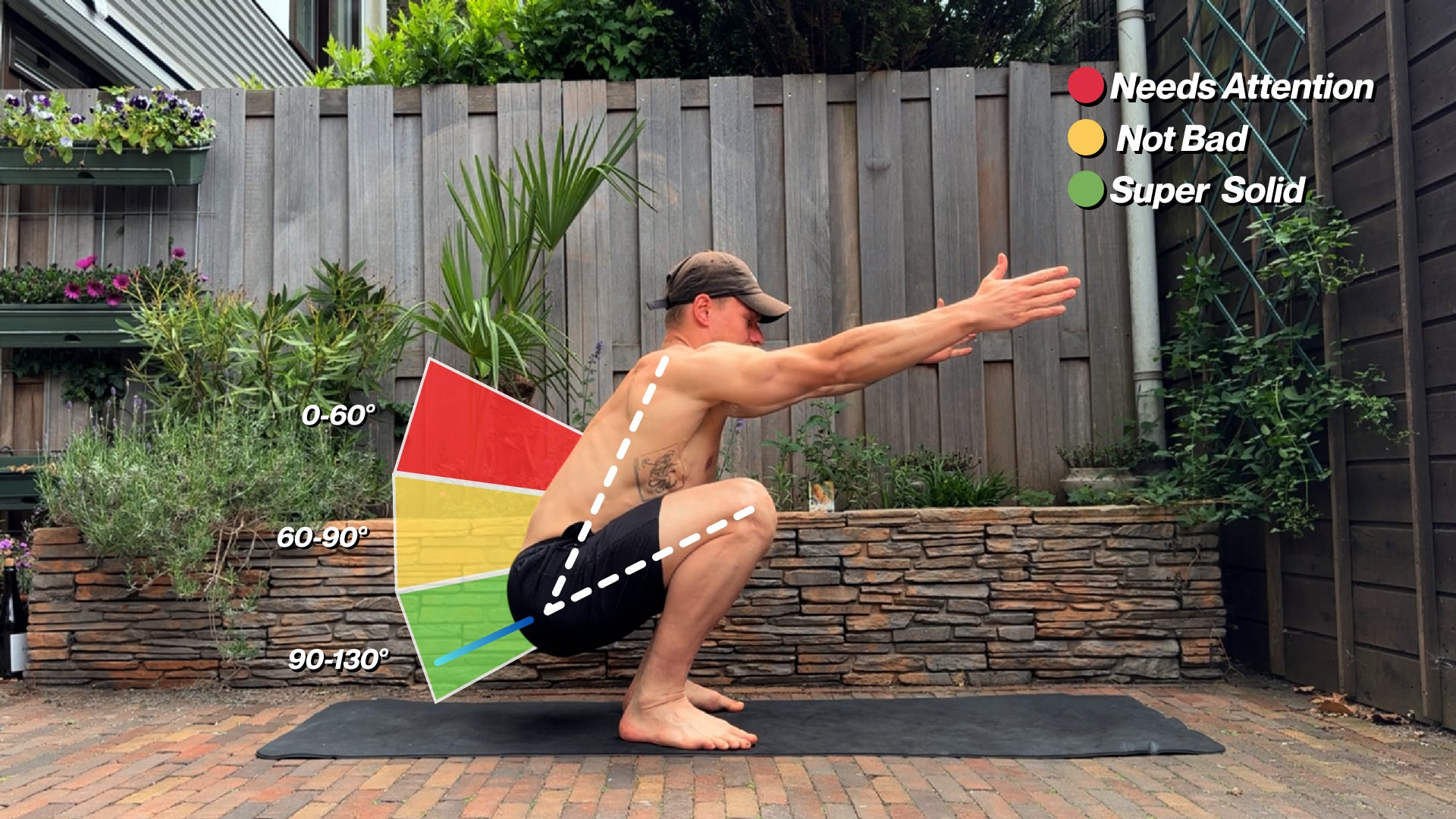
Seiza & Toe Curl


Hip IR & ER


Overhead Flexion
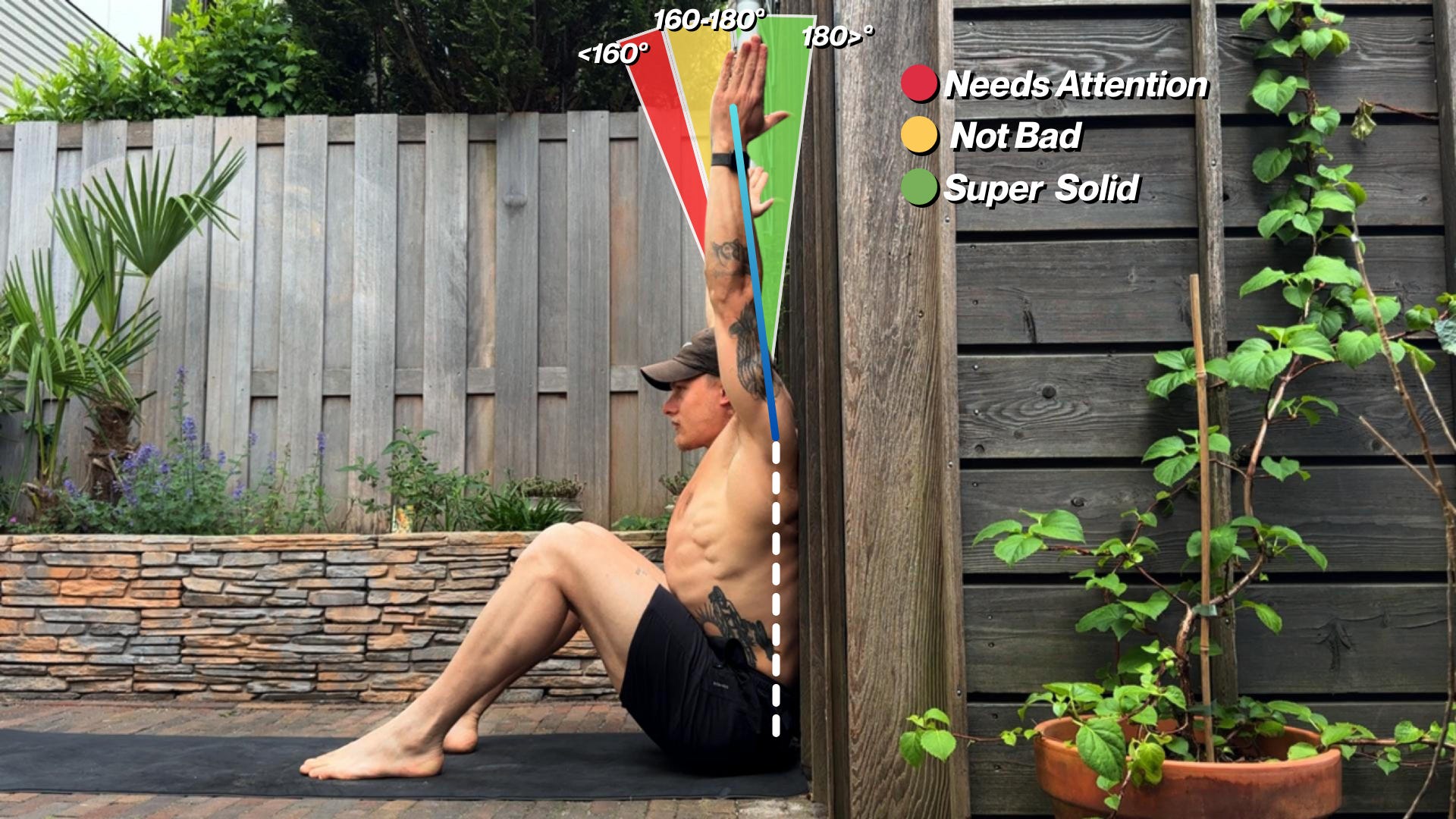
Spinal Rotation
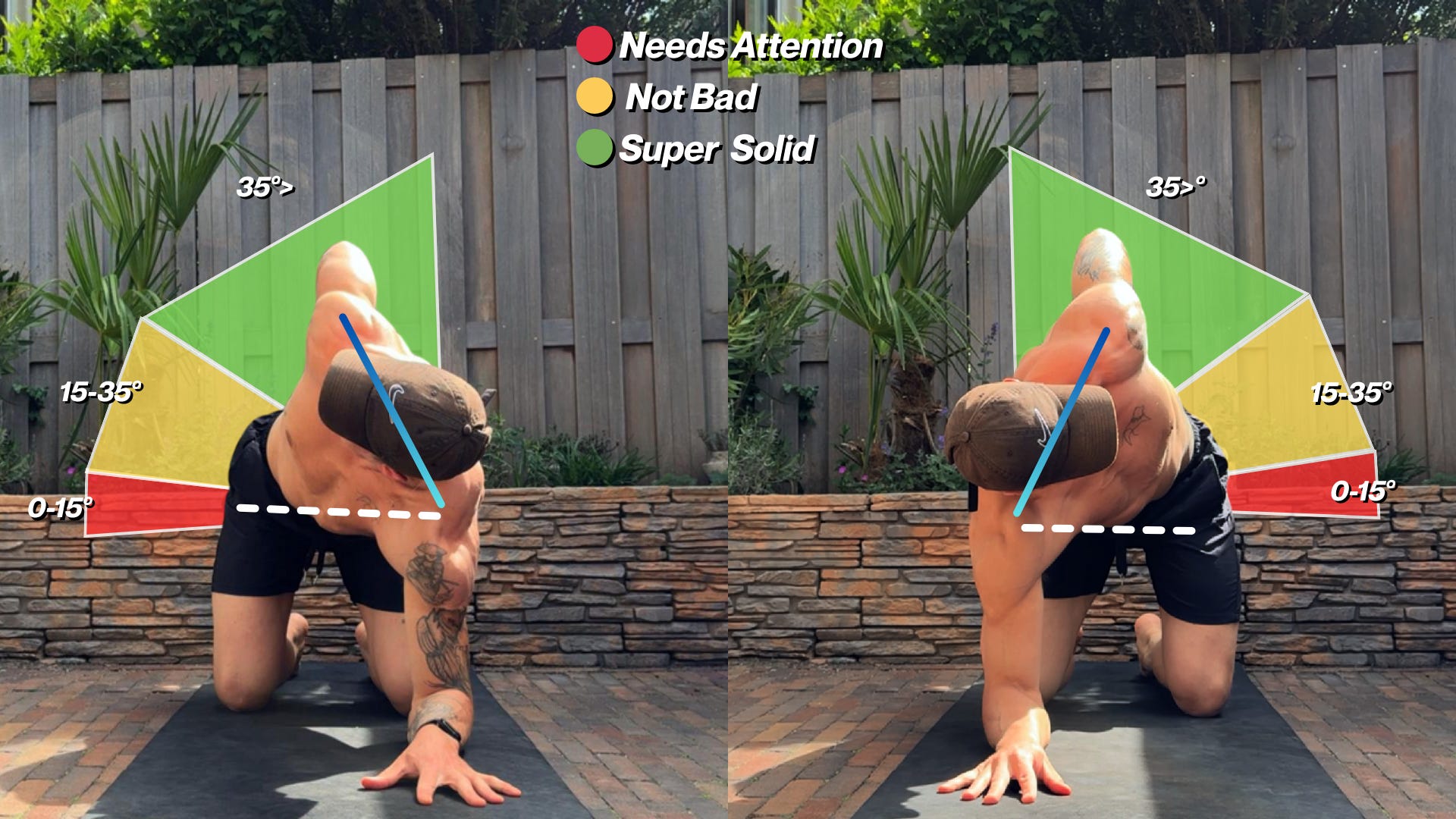
Perform each position for 15 seconds and review yourself on:
Range of motion
How restrictive it felt(1-10 score)
How easy/hard it was to do(1-10) score
After assessing the Big 6, you pick and select the two shapes/positions you scored the lowest on.
Then pick the exercises that work the shape/position specifically.
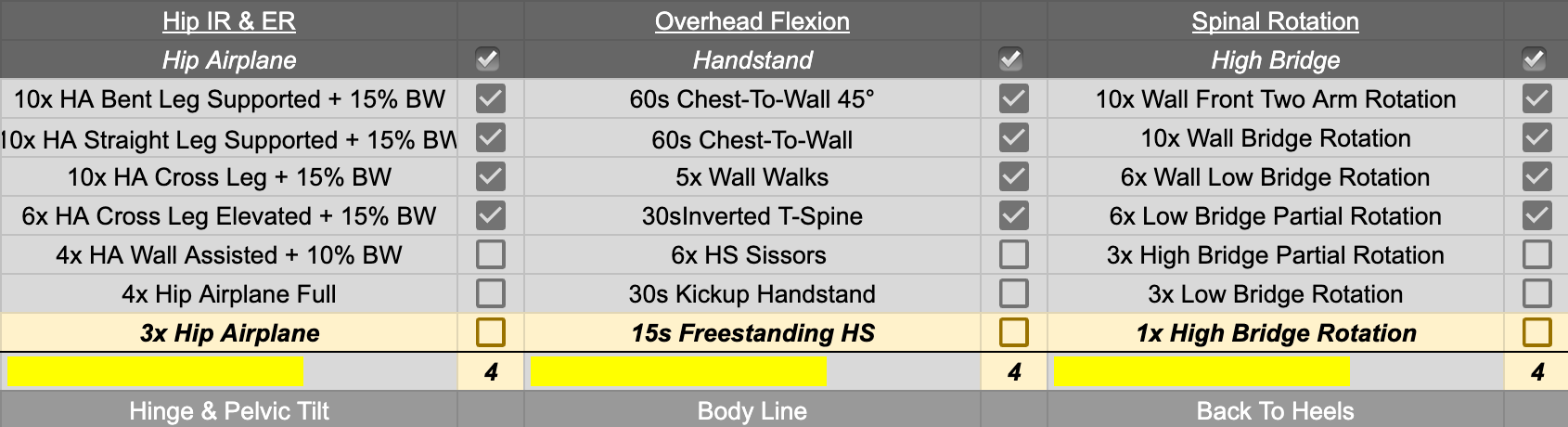
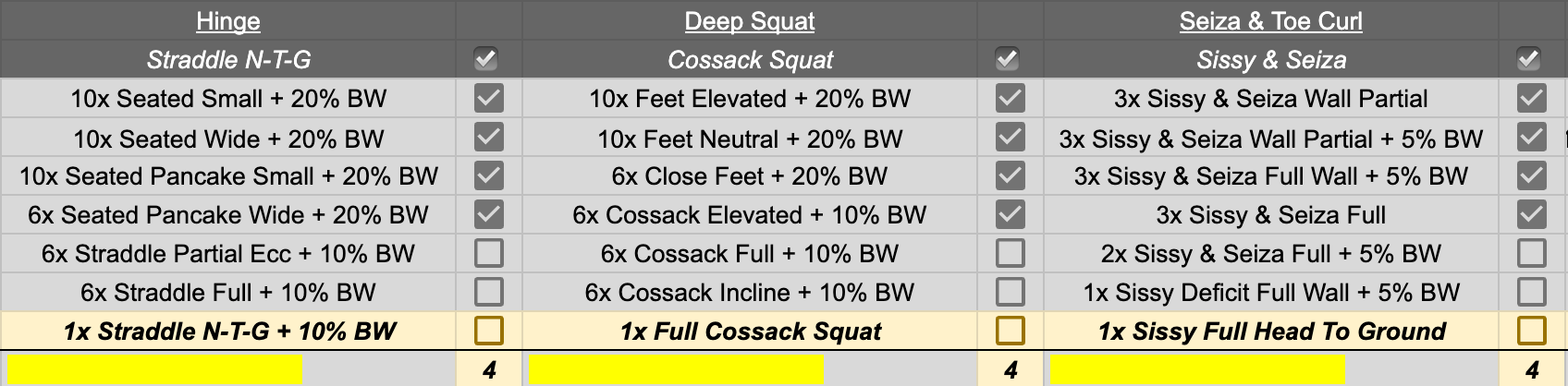
2-3 sessions of 2 shapes per week, 6-9 reps for 2-3 sets.
Check out all the exercises of the shapes here:

The Final Pillar: Building Metabolic Wealth
Upgrading my body’s ability to oxidize potential energy from food into usable energy is one of the BIGGEST game changers for me this year.
It has allowed me to:
Reduce body fat from 16/17% to <15% without a sweat
Clean up oxidative stress at the level of mitochondria
Improved my digestion
Sleep like a baby → less waking up and easier falling back into sleep
Look more vascular
Eliminated extreme cravings and jojo dieting(bothered me for 8+ years)
Deepen my thinking
Feeling extremely vibrant
And I feel it has had a ridiculous positive effect on T- & DHT-levels(going to do bloodwork test soon, but libido has skyrocketed)

How did I do this?
One word: SUGAR.
I started out with the fruit-till-noon diet and immediately felt differences. But there were some bioindividual elements that my body didn't like → mainly with digestion.
But the impact of introducing sugar(whole fruits, fruit juices, dried fruits, and some starches) was and still is incredible. My conclusion is that fearing sugar is one of the worst things that has happened to modern diets.
I'll dive deeper into the 'why' of sugar + metabolism + digestion in future articles, but for now…
These are nutritional pillars to stop the sugar-fear-mongering & improve metabolism, reduce fat, and feel like a walking tank:
1) Be less picky on kcal, more picky on macros
Total kcal = important, but in my eye,s how you divide macros plays a bigger role in how you look & feel. How to set them macros:
Calculate protein 0.8-1g per lbs(lower if goal is muscle gain, higher if fat loss)
30% of diet = for fat
Rest backfill with fruits(whole, dried, juice) & some starches(white rice, white noddles, skinless potatos)
For total kcal stick in between 2400-3000kcal pd. Lower on inactive days or for fat loss, higher for training days or for muscle gain.
2) Reduce Oxidative Stress
Avoid PUFA's & refined foods at all costs.
Peanut butter, fatty fish, fried fries, donuts, etc, contain large amounts of seed oils and/or refined sugar. Impact on mitochondrial function is massive. Harder time processing, more stress, less energy efficient, more fat storage, and so on.
Stick to this list and you'll be in the clear of unnecessarily sabotaging your mitochondria:
Fruits(whole, dried, juices)
Some starches(white rice, white noddles, skinless potatos)
Raw or semi-pasteurized milk or goat milk(if you can tolerate)
Low-fat yoghurt, quark, hard cheeses(if you can tolerate)
Lean meats → stick to ruminants as they have a complete amino acid profile + contain solid amounts of micronutrients
Eggs
Bone broth
White seafood
Easy digestible vegetables like red peppers, zucchini, carrots, and white button mushrooms
3) Buy In Bulk, Eat In Bulk
This is a strategy that I've happily stolen from Noah Ryan. It feels a bit like meal prepping, but there is a twist.
Instead of you making meals, you prep ingredients. This allows you to build quick meals on the fly based on foods you have already prepped.
This is why you never have to indulge in bullshit foods because the fridge and storage are packed with the essentials.
Pro Tip: do these for your evening meals to save even more time and use leftovers for lunch the days afterwards.
Things I always have on the shelf or in the fridge:
Lean meats & (white) seafish
Fruit → bananas, melon, kiwis, oranges
OJ
Dates
Cooked white rice → around 500g-1kg prepped and stored in fridge
Skinless potatoes → same as white rice
70%+ pure chocolate
Coconut oil & butter
Raw honey
Goat milk or low-pasteurized milk
THIS is your weekly grocery list. Prep & cook the meats & starches 1x, and you can build a supreme body on autopilot.
ENTER The Beastly Specimen Protocol
Now you know the system. Important to note = it took me years to build these levels of strength & mobility(still working on deficiencies), so there is no overnight magic pill.
Got any questions? You can send me a chat and I'll answer your questions accordingly.
If you want a structured & personalized approach to implement the protocol DM me 'athletic' and I'll show you what that would look like for you.
Good luck,
Tim